Domain not-yet.de kaufen?
Wir ziehen mit dem Projekt
not-yet.de um.
Sind Sie am Kauf der Domain
not-yet.de interessiert?
domain@kv-gmbh.de · 0541-91531010
Domain not-yet.de kaufen?
Why is drag and drop not working in FileZilla?
There could be several reasons why drag and drop is not working in FileZilla. One possibility is that the file or folder you are trying to drag and drop is not allowed to be transferred to the destination folder. Another possibility is that there may be a compatibility issue or a bug in the FileZilla software itself. It is also worth checking if you have the necessary permissions to perform the drag and drop action. **
Did I not even start yet?
I'm sorry, but I don't have enough context to understand what you are referring to when you say "start." Could you please provide more information? **

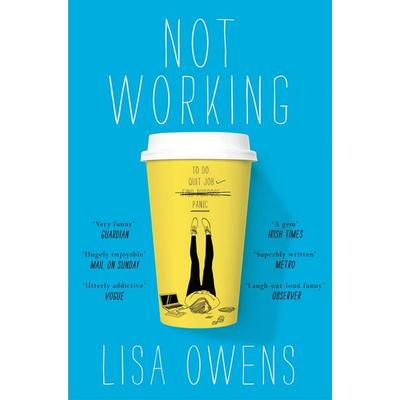
Ähnliche Suchbegriffe für Not-Working---Lisa
Top-Angebote
Produkte zum Begriff Not-Working---Lisa:
-
Roads not TakenRoads not Taken , Or: Things Could Have Turned Out Differently , Kettenräder > Steuerketten, Zahnriemen & Einbausätze , Erscheinungsjahr: 20231017, Produktform: Kartoniert, Redaktion: Diner, Dan~Backhaus, Fritz~Franke, Julia~Gross, Raphael~Paul-Jacobs, Stefan~Reyels, Lili, Seitenzahl/Blattzahl: 286, Abbildungen: with more than 90 colourful illustrations, Keyword: Deutschland; 19. Jahrhundert; 20. Jahrhundert; Historiographie; Zäsuren; Deutsches Historisches Museum, Fachschema: Neunzehntes Jahrhundert~Zwanzigstes Jahrhundert~Europa / Geschichte, Kulturgeschichte, Fachkategorie: Europäische Geschichte, Region: Deutschland, Zeitraum: 19. Jahrhundert (1800 bis 1899 n. Chr.)~20. Jahrhundert (1900 bis 1999 n. Chr.), Thema: Auseinandersetzen, Warengruppe: HC/Geschichte/Allgemeines/Lexika, Fachkategorie: Geschichte allgemein und Weltgeschichte, Thema: Verstehen, Text Sprache: eng, UNSPSC: 49019900, Warenverzeichnis für die Außenhandelsstatistik: 49019900, Verlag: C.H. Beck, Verlag: C.H. Beck, Verlag: Verlag C.H. Beck oHG, Blätteranzahl: 286 Blätter, Länge: 240, Breite: 166, Höhe: 22, Gewicht: 712, Produktform: Kartoniert, Genre: Geisteswissenschaften/Kunst/Musik, Genre: Geisteswissenschaften/Kunst/Musik, Herkunftsland: DEUTSCHLAND (DE), Katalog: Gesamtkatalog, Katalog: Internationale Lagertitel, Katalog: internationale Titel, Katalog: Kennzeichnung von Titeln mit einer Relevanz > 30, Katalog: Lagerartikel, Book on Demand, ausgew. Medienartikel, Relevanz: 0025, Tendenz: -1, Unterkatalog: AK, Unterkatalog: Bücher, Unterkatalog: Hardcover, Unterkatalog: Lagerartikel, WolkenId: 294292528,00 €*Versand: 0,00 €Sichere Weiterleitung zum Anbieter
-
Never Not Working, Fachbücher von Malissa ClarkThe always-on, hustle culture creates an unhealthy, counterproductive relationship with work.Many workers believe that to compete with other top talent, they must embrace a culture that rewards long hours and a constant connection to work. Businesses and society endorse busyness, overwork, and extreme commitment as the most valued traits in workers. Sometimes that endorsement is explicit, as when Elon Musk told X/Twitter employees to work "long hours at high intensity" or get fired. More often it's an implicit contract, a buildup of organizational and cultural norms and the adoption of new technologies that make it easy to tether people to work.Either way, this workaholic behavior is unhealthy and counterproductive for workers and for organizations. It's time to fight back. Malissa Clark—a preeminent researcher on the culture of overwork—shows you how in Never Not Working. Clark examines overwork and burnout, not just from the individual's perspective but from an organizational perspective too. She delivers a comprehensive, nuanced definition of workaholism, busting myths along the way—working long hours, it turns out, doesn't automatically make you a workaholic. She also helps you assess whether you're falling prey to the phenomenon and whether you're creating workaholics in your organization.Clark shows you how to escape the trap of putting work at the center of everything and thus losing your well-being—or your company's performance—in the process. Deeply researched and written for everyone from leaders to individual contributors, Never Not Working is the essential guide to identifying workaholism in yourself and others and starting on the road to recovery.32,40 €*Versand: 0,00 €Sichere Weiterleitung zum Anbieter


-
Did not does not didn't?
"Did not" is the past tense of "do not" or "does not." "Didn't" is the contraction of "did not." Both phrases are used to indicate the negation of an action or statement in the past tense. **
-
Das simple past von NOT BE ist WAS NOT oder WERE NOT.
Das simple past von "not be" ist "was not" oder "were not". Je nachdem, ob es sich um die Einzahl oder Mehrzahl handelt. Zum Beispiel: "I was not happy" oder "They were not at home". In beiden Fällen wird das simple past von "not be" mit "was not" oder "were not" gebildet. **
-
Muss man bei Present Perfect immer "already" oder "not yet" benutzen?
Nein, man muss nicht immer "already" oder "not yet" im Present Perfect benutzen. Diese Ausdrücke werden verwendet, um auszudrücken, ob eine Handlung bereits geschehen ist oder noch nicht geschehen ist. Es gibt jedoch viele andere Möglichkeiten, um den Zeitpunkt einer Handlung im Present Perfect auszudrücken, wie zum Beispiel "just", "recently", "recently", "ever", "never" usw. **
-
Ist "would not" das Gleiche wie "will not" wie "won't"?
Nein, "would not" ist nicht dasselbe wie "will not" oder "won't". "Would not" wird verwendet, um über eine hypothetische Situation in der Vergangenheit oder Zukunft zu sprechen, während "will not" oder "won't" verwendet werden, um eine zukünftige Handlung oder Entscheidung auszudrücken. "Would not" wird oft auch in höflicher Sprache verwendet, um Ablehnung oder Unmöglichkeit auszudrücken. **


Was sind die Unterschiede zwischen "did not" und "had not"?
"Did not" wird verwendet, um die Verneinung in der einfachen Vergangenheitsform auszudrücken, während "had not" die Verneinung in der Vergangenheitsform der Hilfsverben "have" oder "had" darstellt. "Did not" wird verwendet, um eine Handlung in der Vergangenheit auszudrücken, während "had not" verwendet wird, um eine Handlung auszudrücken, die vor einer anderen Handlung in der Vergangenheit stattgefunden hat. **
Was ist die Lösung für das kleine Rätsel "Weihnachtsmann in Not"?
Die Lösung für das Rätsel "Weihnachtsmann in Not" ist, dass der Weihnachtsmann den Schlüssel für den Kamin in seiner Tasche hat. Er muss ihn nur herausholen und den Kamin öffnen, um die Geschenke zu verteilen. **
Top-Angebote
Produkte zum Begriff Not-Working---Lisa:
-
Roads not TakenRoads not Taken , Or: Things Could Have Turned Out Differently , Kettenräder > Steuerketten, Zahnriemen & Einbausätze , Erscheinungsjahr: 20231017, Produktform: Kartoniert, Redaktion: Diner, Dan~Backhaus, Fritz~Franke, Julia~Gross, Raphael~Paul-Jacobs, Stefan~Reyels, Lili, Seitenzahl/Blattzahl: 286, Abbildungen: with more than 90 colourful illustrations, Keyword: Deutschland; 19. Jahrhundert; 20. Jahrhundert; Historiographie; Zäsuren; Deutsches Historisches Museum, Fachschema: Neunzehntes Jahrhundert~Zwanzigstes Jahrhundert~Europa / Geschichte, Kulturgeschichte, Fachkategorie: Europäische Geschichte, Region: Deutschland, Zeitraum: 19. Jahrhundert (1800 bis 1899 n. Chr.)~20. Jahrhundert (1900 bis 1999 n. Chr.), Thema: Auseinandersetzen, Warengruppe: HC/Geschichte/Allgemeines/Lexika, Fachkategorie: Geschichte allgemein und Weltgeschichte, Thema: Verstehen, Text Sprache: eng, UNSPSC: 49019900, Warenverzeichnis für die Außenhandelsstatistik: 49019900, Verlag: C.H. Beck, Verlag: C.H. Beck, Verlag: Verlag C.H. Beck oHG, Blätteranzahl: 286 Blätter, Länge: 240, Breite: 166, Höhe: 22, Gewicht: 712, Produktform: Kartoniert, Genre: Geisteswissenschaften/Kunst/Musik, Genre: Geisteswissenschaften/Kunst/Musik, Herkunftsland: DEUTSCHLAND (DE), Katalog: Gesamtkatalog, Katalog: Internationale Lagertitel, Katalog: internationale Titel, Katalog: Kennzeichnung von Titeln mit einer Relevanz > 30, Katalog: Lagerartikel, Book on Demand, ausgew. Medienartikel, Relevanz: 0025, Tendenz: -1, Unterkatalog: AK, Unterkatalog: Bücher, Unterkatalog: Hardcover, Unterkatalog: Lagerartikel, WolkenId: 294292528,00 €*Versand: 0,00 €Sichere Weiterleitung zum Anbieter
-
Never Not Working, Fachbücher von Malissa ClarkThe always-on, hustle culture creates an unhealthy, counterproductive relationship with work.Many workers believe that to compete with other top talent, they must embrace a culture that rewards long hours and a constant connection to work. Businesses and society endorse busyness, overwork, and extreme commitment as the most valued traits in workers. Sometimes that endorsement is explicit, as when Elon Musk told X/Twitter employees to work "long hours at high intensity" or get fired. More often it's an implicit contract, a buildup of organizational and cultural norms and the adoption of new technologies that make it easy to tether people to work.Either way, this workaholic behavior is unhealthy and counterproductive for workers and for organizations. It's time to fight back. Malissa Clark—a preeminent researcher on the culture of overwork—shows you how in Never Not Working. Clark examines overwork and burnout, not just from the individual's perspective but from an organizational perspective too. She delivers a comprehensive, nuanced definition of workaholism, busting myths along the way—working long hours, it turns out, doesn't automatically make you a workaholic. She also helps you assess whether you're falling prey to the phenomenon and whether you're creating workaholics in your organization.Clark shows you how to escape the trap of putting work at the center of everything and thus losing your well-being—or your company's performance—in the process. Deeply researched and written for everyone from leaders to individual contributors, Never Not Working is the essential guide to identifying workaholism in yourself and others and starting on the road to recovery.32,40 €*Versand: 0,00 €Sichere Weiterleitung zum Anbieter
-
Why is drag and drop not working in FileZilla?
There could be several reasons why drag and drop is not working in FileZilla. One possibility is that the file or folder you are trying to drag and drop is not allowed to be transferred to the destination folder. Another possibility is that there may be a compatibility issue or a bug in the FileZilla software itself. It is also worth checking if you have the necessary permissions to perform the drag and drop action. **
-
Did I not even start yet?
I'm sorry, but I don't have enough context to understand what you are referring to when you say "start." Could you please provide more information? **
-
Did not does not didn't?
"Did not" is the past tense of "do not" or "does not." "Didn't" is the contraction of "did not." Both phrases are used to indicate the negation of an action or statement in the past tense. **
-
Das simple past von NOT BE ist WAS NOT oder WERE NOT.
Das simple past von "not be" ist "was not" oder "were not". Je nachdem, ob es sich um die Einzahl oder Mehrzahl handelt. Zum Beispiel: "I was not happy" oder "They were not at home". In beiden Fällen wird das simple past von "not be" mit "was not" oder "were not" gebildet. **
Ähnliche Suchbegriffe für Not-Working---Lisa
-
Muss man bei Present Perfect immer "already" oder "not yet" benutzen?
Nein, man muss nicht immer "already" oder "not yet" im Present Perfect benutzen. Diese Ausdrücke werden verwendet, um auszudrücken, ob eine Handlung bereits geschehen ist oder noch nicht geschehen ist. Es gibt jedoch viele andere Möglichkeiten, um den Zeitpunkt einer Handlung im Present Perfect auszudrücken, wie zum Beispiel "just", "recently", "recently", "ever", "never" usw. **
-
Ist "would not" das Gleiche wie "will not" wie "won't"?
Nein, "would not" ist nicht dasselbe wie "will not" oder "won't". "Would not" wird verwendet, um über eine hypothetische Situation in der Vergangenheit oder Zukunft zu sprechen, während "will not" oder "won't" verwendet werden, um eine zukünftige Handlung oder Entscheidung auszudrücken. "Would not" wird oft auch in höflicher Sprache verwendet, um Ablehnung oder Unmöglichkeit auszudrücken. **
-
Was sind die Unterschiede zwischen "did not" und "had not"?
"Did not" wird verwendet, um die Verneinung in der einfachen Vergangenheitsform auszudrücken, während "had not" die Verneinung in der Vergangenheitsform der Hilfsverben "have" oder "had" darstellt. "Did not" wird verwendet, um eine Handlung in der Vergangenheit auszudrücken, während "had not" verwendet wird, um eine Handlung auszudrücken, die vor einer anderen Handlung in der Vergangenheit stattgefunden hat. **
-
Was ist die Lösung für das kleine Rätsel "Weihnachtsmann in Not"?
Die Lösung für das Rätsel "Weihnachtsmann in Not" ist, dass der Weihnachtsmann den Schlüssel für den Kamin in seiner Tasche hat. Er muss ihn nur herausholen und den Kamin öffnen, um die Geschenke zu verteilen. **
* Alle Preise verstehen sich inklusive der gesetzlichen Mehrwertsteuer und ggf. zuzüglich Versandkosten. Die Angebotsinformationen basieren auf den Angaben des jeweiligen Shops und werden über automatisierte Prozesse aktualisiert. Eine Aktualisierung in Echtzeit findet nicht statt, so dass es im Einzelfall zu Abweichungen kommen kann. ** Hinweis: Teile dieses Inhalts wurden von KI erstellt.